Understanding who owns Powerball is essential before you decide how to participate in the game. Powerball is not a private product that any site can control, but a regulated lottery operated under United States law, with strict rules about who runs the drawings and who holds the tickets.
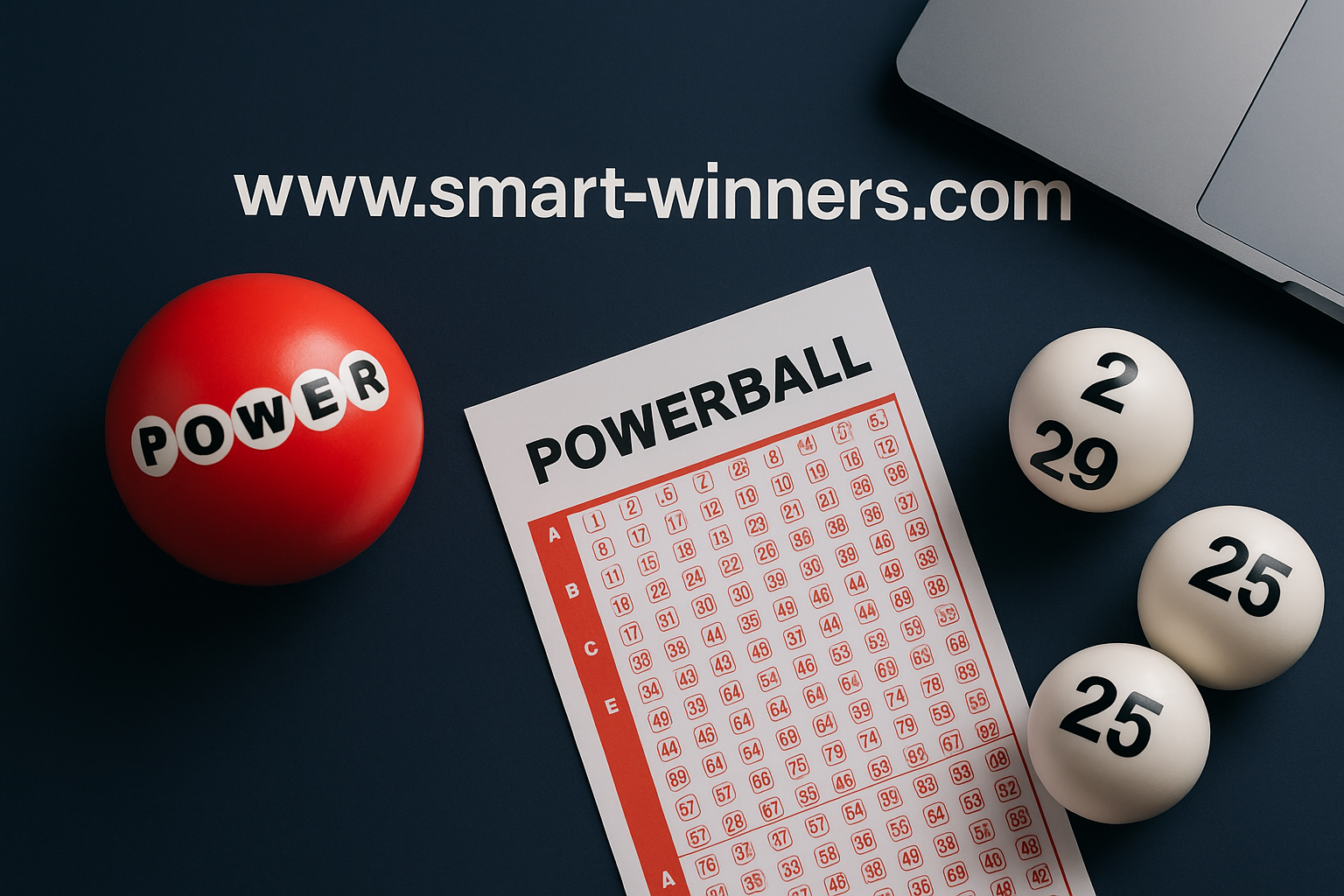
Who owns Powerball and who controls the game rules
The official answer to who owns Powerball is that it is collectively owned and operated by United States member lotteries through the Multi-State Lottery Association (MUSL), a nonprofit organization set up by those lotteries. State and territorial lotteries sell tickets under their own laws, while MUSL coordinates the rules, drawings, and shared jackpot pool.
The role of MUSL and state lotteries
MUSL is a cooperative of government-run or government-authorized lotteries. It manages the Powerball game design, draw procedures, and security standards. Participating state lotteries then implement those rules locally, sell tickets to the public, validate claims, and allocate lottery revenue to public programs such as education, public safety, or infrastructure, depending on state legislation.
Because Powerball is a public lottery product, no private company owns the brand, the draws, or the central prize structure. All critical decisions about the game are made within the MUSL framework and the individual state lottery commissions.
How online services relate to who owns Powerball
Online lottery messenger platforms do not change who owns Powerball. Instead, they act as intermediaries for players who cannot easily purchase tickets at a physical retailer in the United States. These services arrange for local agents to buy official tickets, but they do not operate or influence the Powerball game itself.
Messenger model and ticket ownership
Under the typical messenger model, you choose your Powerball numbers on the platform, and an agent in the United States purchases an official ticket from an authorized retailer. A scan of that ticket is then uploaded to your account as proof of purchase, and the physical ticket is stored securely until after the draw.
Reputable services clarify that the ticket, and any prize linked to it, belongs to you as the player. The platform handles logistics, documentation, and in many cases prize collection support, while you remain the legal beneficiary. This is an important distinction from betting sites, where you may be wagering on results rather than owning a real ticket.
If you want to play Powerball online, using a messenger structure allows you to participate in the official draw while keeping the separation between the public game owners and the private service that assists you.
Why ownership details matter for player protection
Clarifying who owns Powerball helps you evaluate any service that offers access. Knowing that MUSL and state lotteries control the game means you can compare a platform's practices with the transparency and traceability expected from an official lottery product.
- Confirm that the site clearly states you are the legal owner of each ticket purchased on your behalf.
- Check that you receive a time-stamped digital record and a ticket scan showing your numbers and draw date.
- Ensure that winning results are verified against the official Powerball draw published by the lotteries.
These same principles apply if you choose to play Mega Millions or other international lotteries through a messenger service. Clear documentation, secure payment processing, and transparent payout rules are signs that the intermediary respects the boundary between its role and the official lottery operators.
Conclusion: using ownership knowledge when you play
When asking who owns Powerball, remember that the answer is MUSL and its member state lotteries, not any private website. Treat online platforms purely as conduits that help you obtain official tickets, and prioritize those that document purchases in your name, provide clear scans, and align their procedures with the public, regulated nature of the game.
Play Official Powerball Online with Smart-Winners